

The Identity That Can’t Be Taken From You
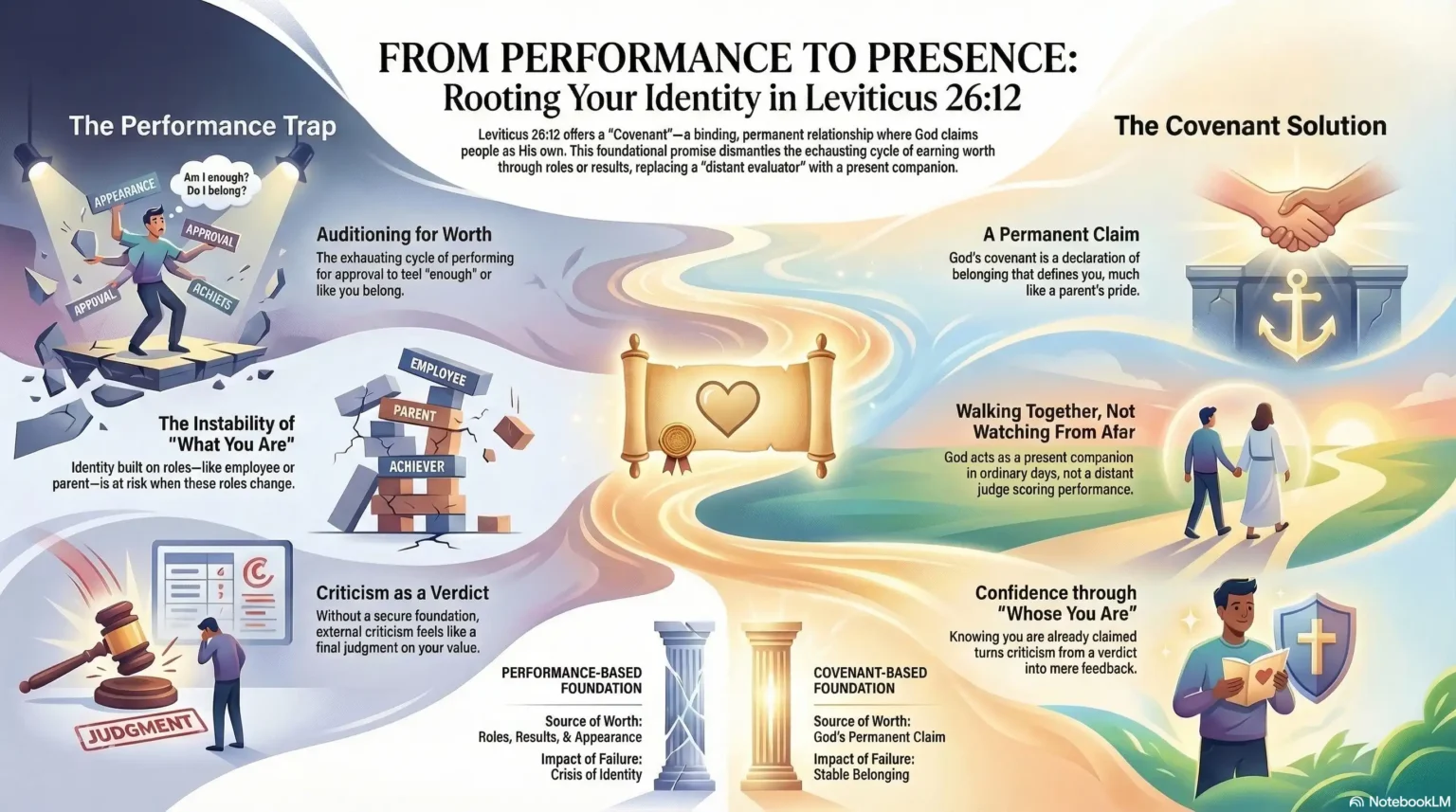
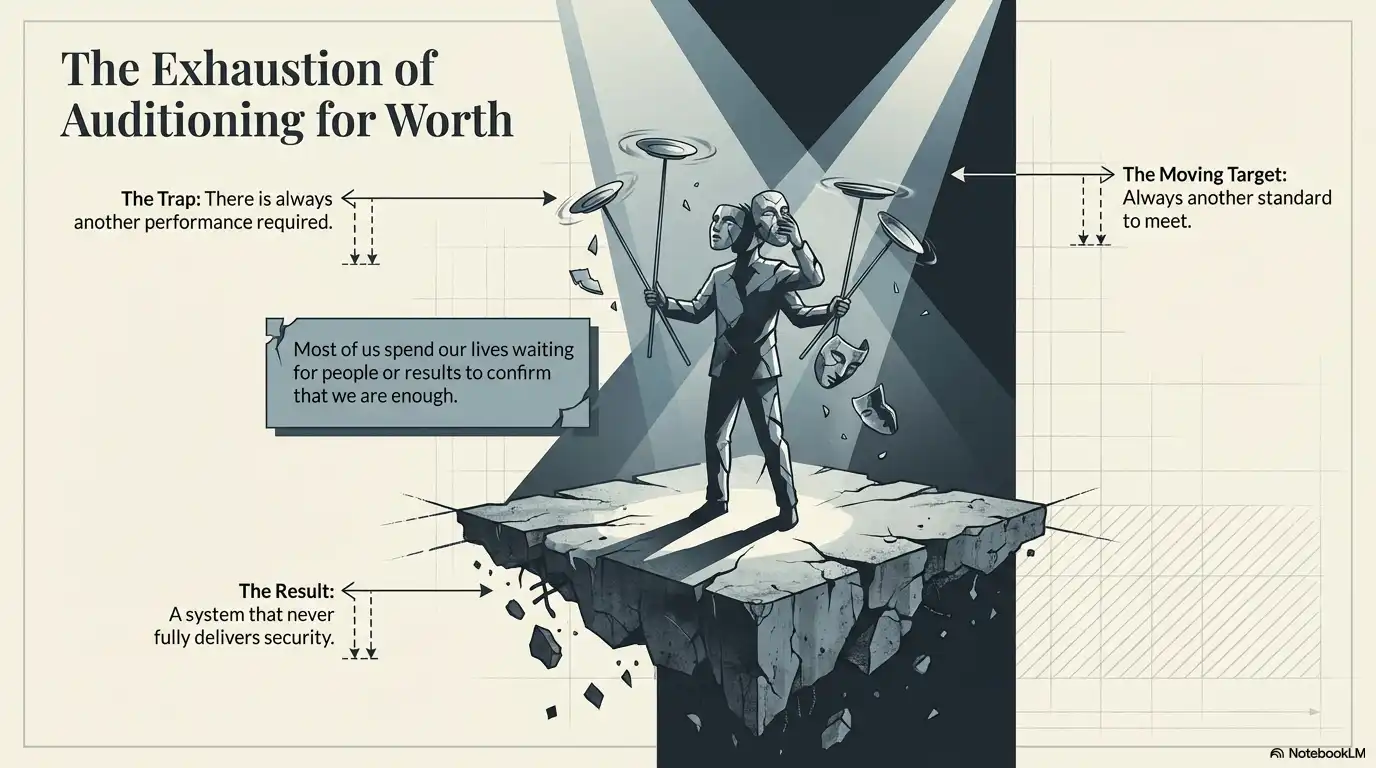
Let’s just be honest for a second. Most of us have spent a significant portion of our lives — sometimes without even realizing it — auditioning for worth. Performing for approval. Waiting to see if the people around us, or the results we produce, will confirm that we’re okay. That we’re enough. That we belong.
And the exhausting part? That system never fully delivers. There’s always another performance required, another standard to meet, another version of yourself that feels more deserving of confidence than the one you are right now.
Leviticus 26:12 quietly dismantles all of that.
1. This Is a Covenant — And That’s a Much Bigger Deal Than It Sounds
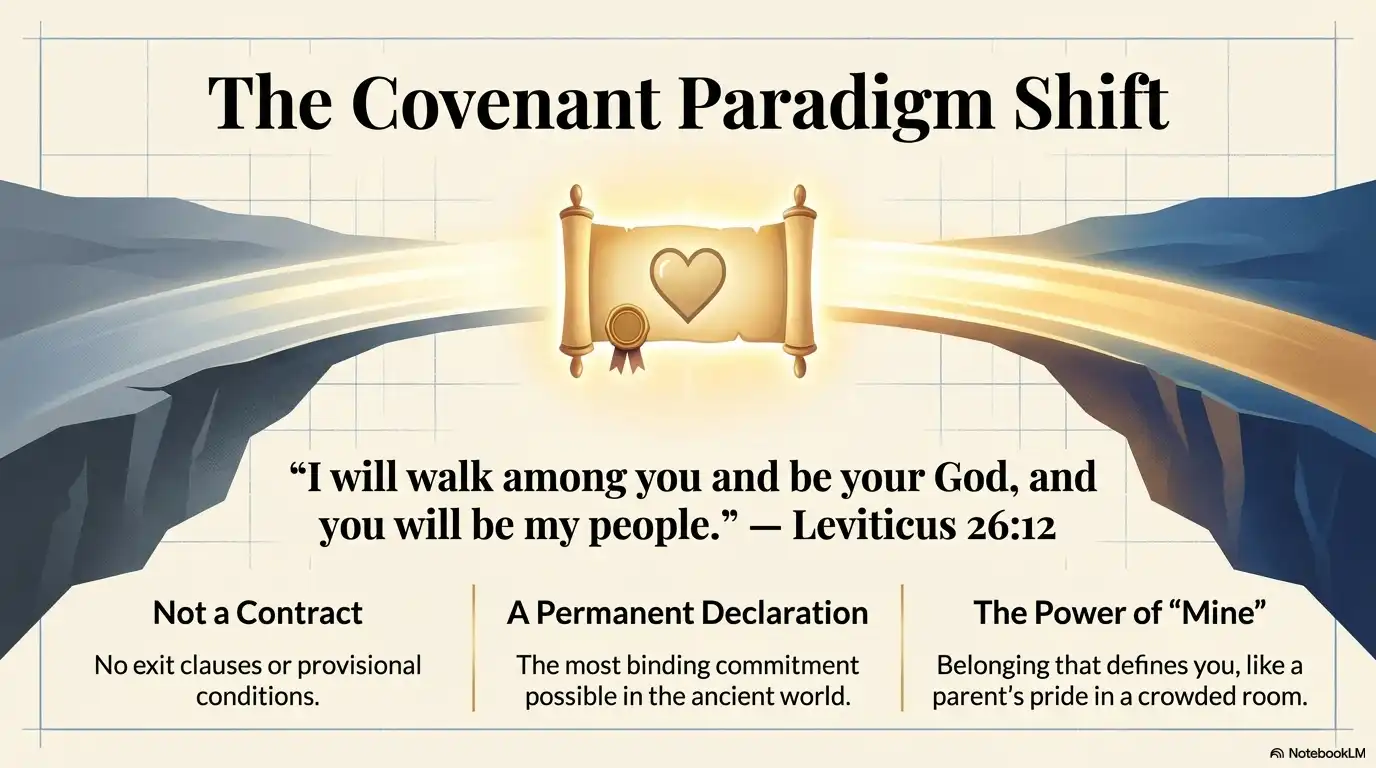
When God says “I will walk among you and be your God, and you will be my people”, He is not making a casual offer. In the ancient world, covenants were the most binding, most serious kind of commitment two parties could enter into. They weren’t contracts with exit clauses. They were declarations of permanent relationship.
So when God speaks this way, He is essentially saying: I am binding myself to you. I am claiming you as mine. This is not provisional.
That word — mine — is worth sitting with. Not “mine” as in ownership that diminishes you, but “mine” as in belonging that defines you. The way a parent says “that’s my child” in a room full of people. With pride. With protection. With total certainty.
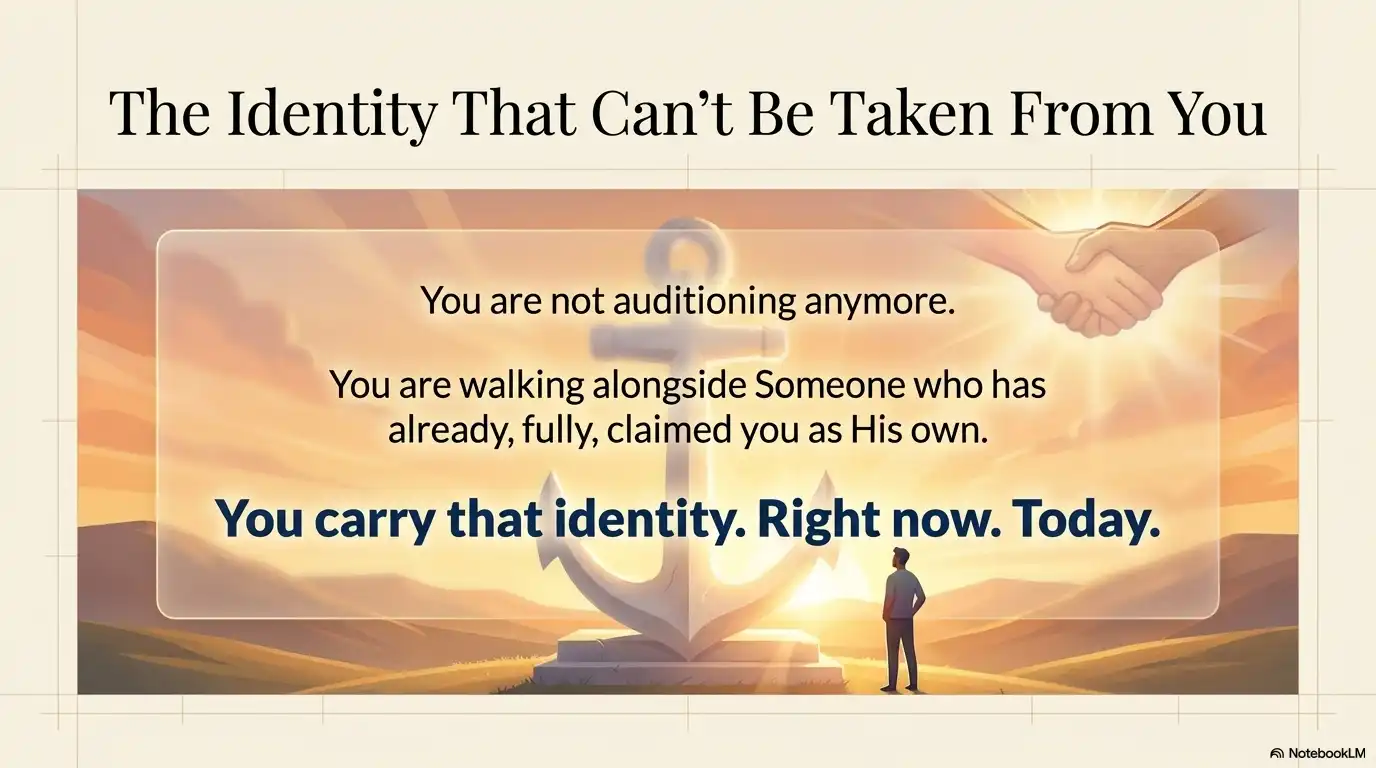
You carry that identity. Right now. Today.
2. “Whose You Are” Is a More Stable Foundation Than “What You Are”
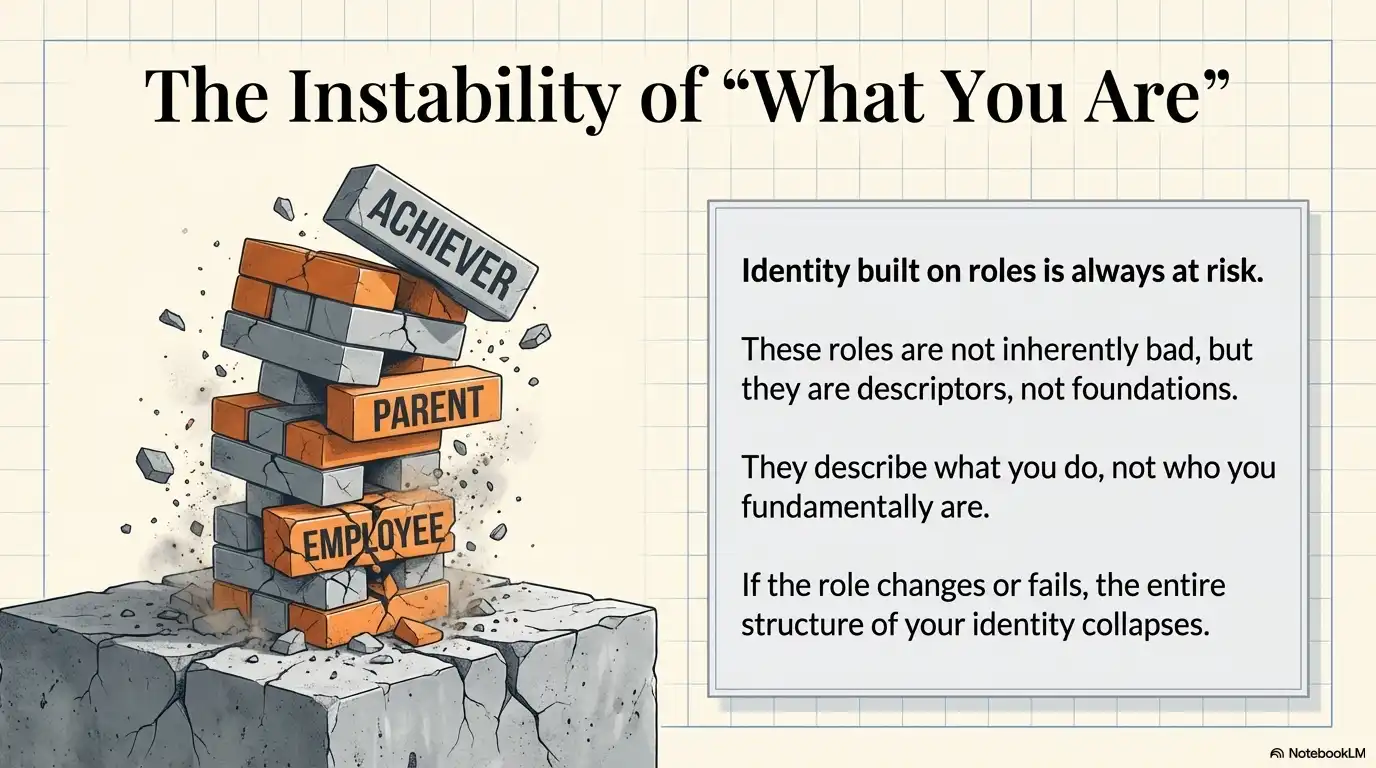
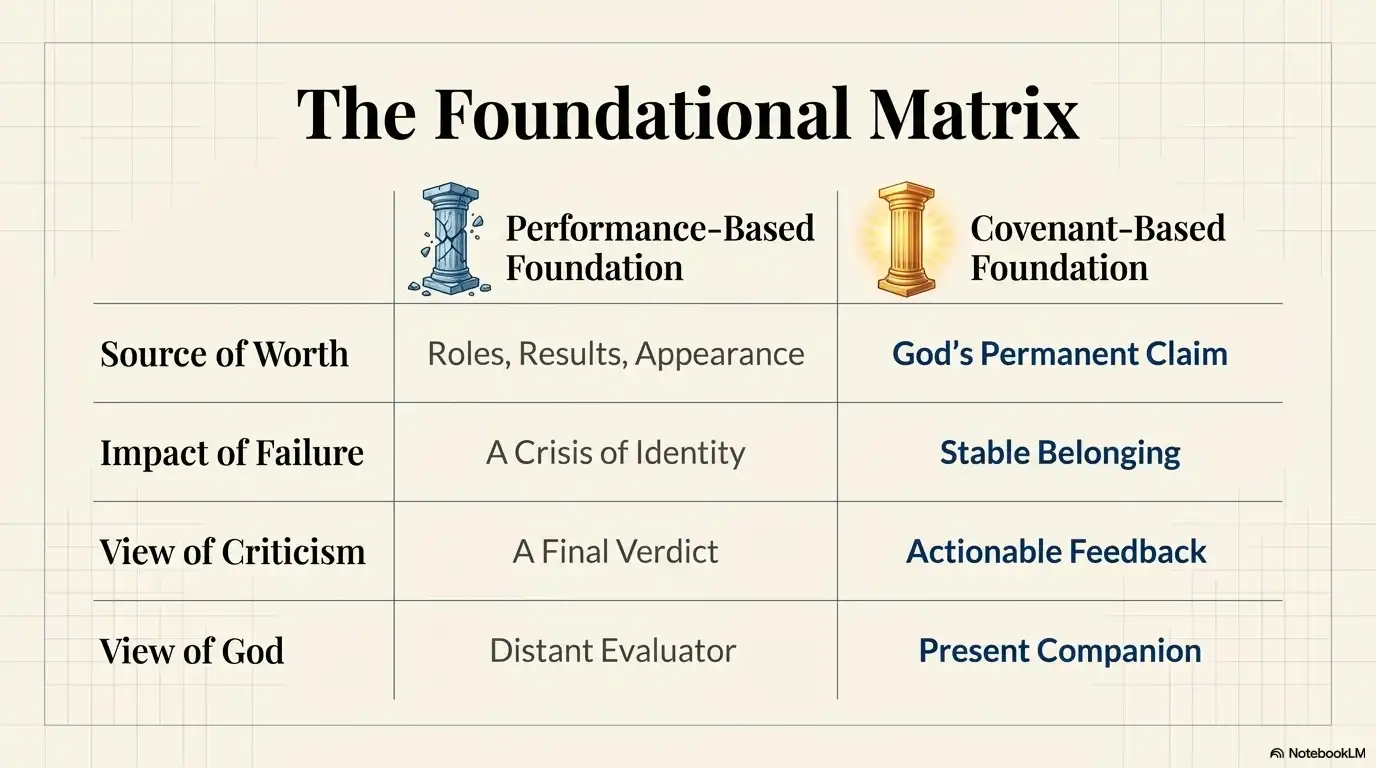
Here’s something that, honestly, took a lot of people years to understand — and it’s worth naming clearly: identity built on role is always at risk. If you’re confident because you’re a good employee, what happens when you get passed over for the promotion? If your worth comes from being a good parent, what happens when your kids push back? If your self-image rests on your appearance, what happens as your body changes over time?
None of those things are bad. But they’re descriptors, not foundations. They tell you what you do or what you look like — they don’t tell you who you fundamentally are.
God’s covenant language in this verse cuts underneath all of that. You are my people. That’s not a description of your performance. That’s a declaration of your belonging. And belonging — real belonging — doesn’t have conditions attached to it.
3. When You Know You’re Already Claimed, Criticism Loses Its Power
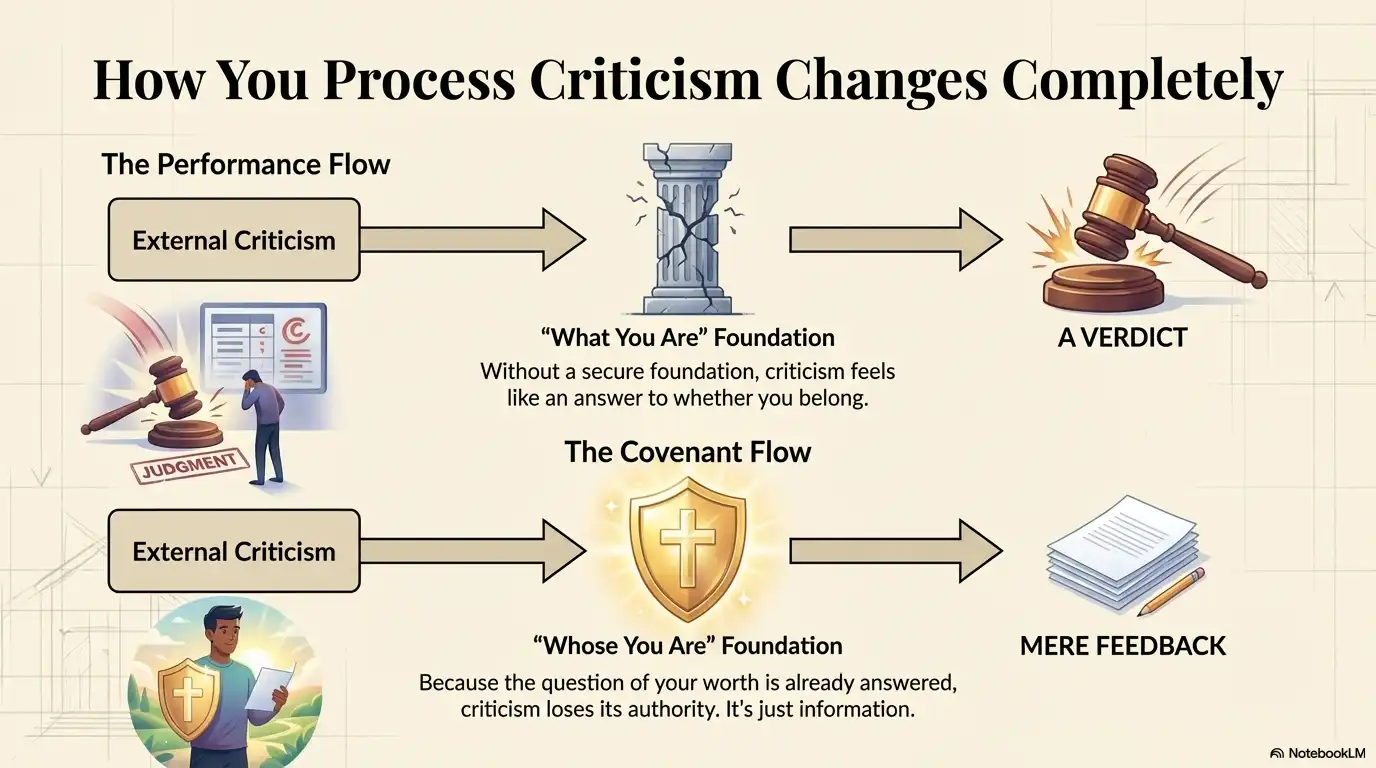
Think about what typically happens when someone criticizes you. Maybe it’s a harsh comment about your work, a dismissive response from someone you respect, or that persistent inner voice that keeps bringing up your worst moments. Why does that land so hard?
Usually, it’s because somewhere underneath the surface, you’ve been quietly asking those people — or that voice — to confirm your worth. So when they don’t, or worse, when they actively contradict it, it feels like an answer to a question you’ve been carrying.
But here’s the thing: if God has already answered that question — if you already know you’re claimed, named, and called His people — then criticism stops being a verdict. It becomes, at most, information. Feedback. Something to consider or set aside. It no longer has the authority to define you, because that authority has already been given to Someone else.
That shift — and yeah, it is a shift — is what genuine God-rooted confidence actually looks like in practice.
4. “I Will Walk Among You” — God Is Not a Distant Evaluator
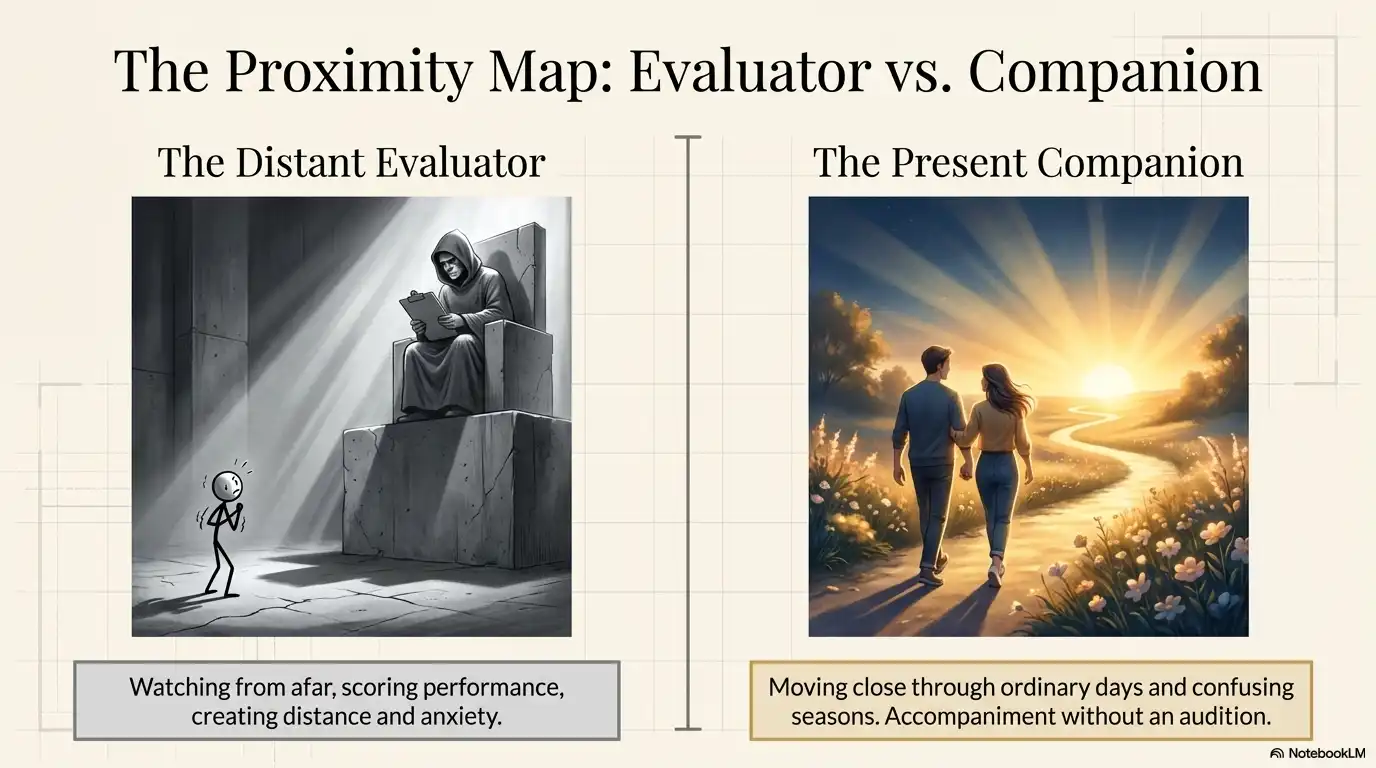
This part of the verse tends to get a little overlooked, and it really shouldn’t. God doesn’t say “I will watch over you from a distance” or “I will check in periodically.” He says I will walk among you. Present. Moving. Close.
The image here is one of accompaniment. God is not sitting at a judgment bench scoring your performance. He’s walking with you — through the ordinary days, the confusing seasons, the moments where your confidence is shaky and your footing feels uncertain. That kind of closeness changes the nature of the relationship entirely.
You’re not trying to impress a distant authority. You’re walking alongside Someone who has already, fully, claimed you as His own.
5. The Practice Today Is Deceptively Powerful
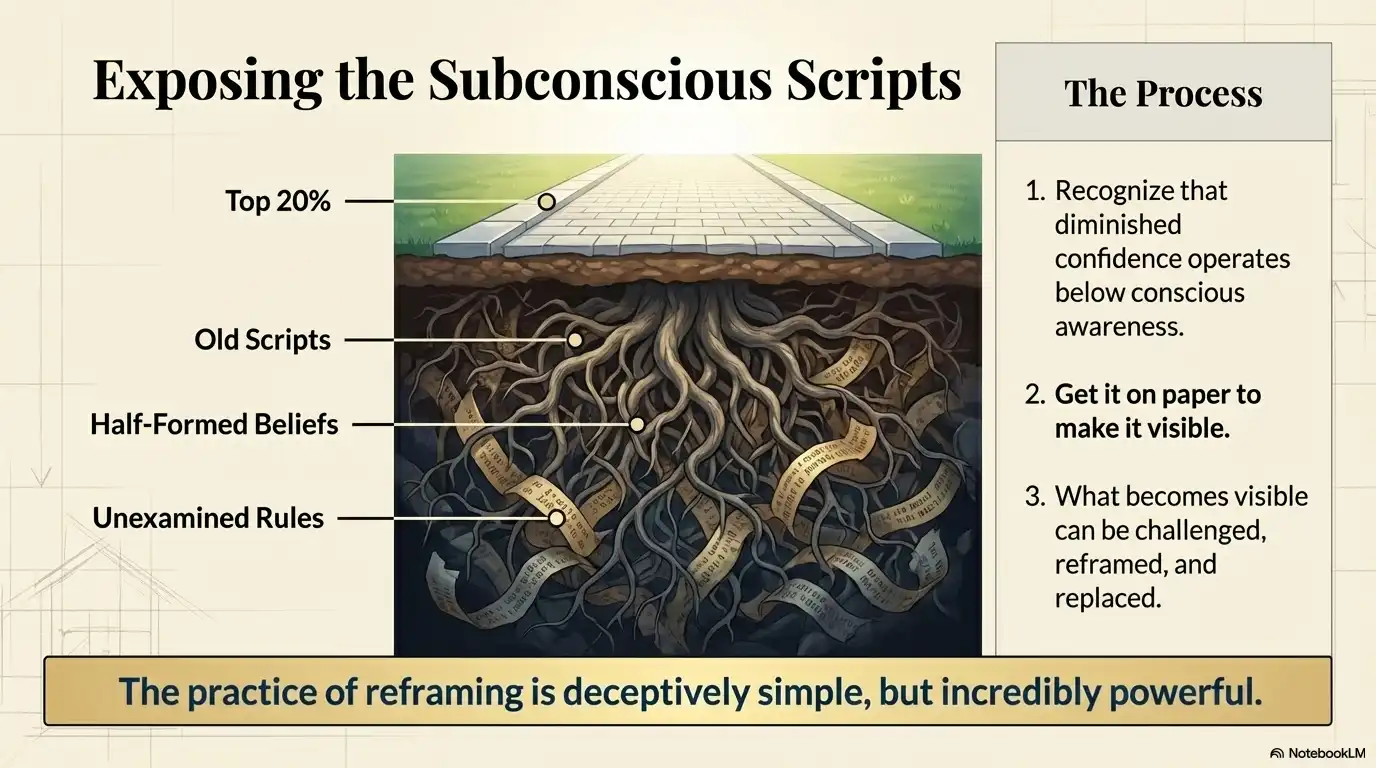
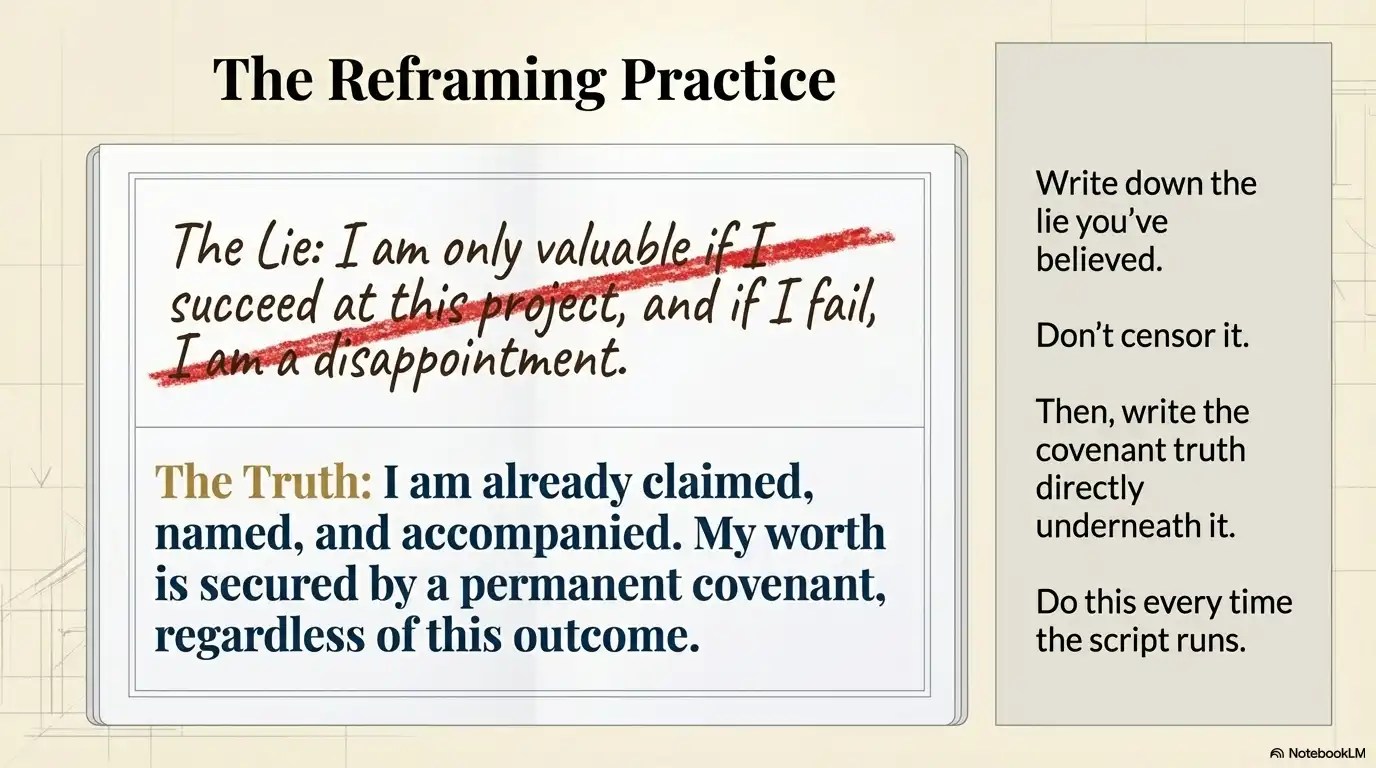
Writing down the lie you’ve believed about your worth — and then writing the truth underneath it — might feel a little simple on the surface. But so much of what undermines confidence operates below conscious awareness. It runs on old scripts, half-formed beliefs, things you absorbed years ago and never examined.
Getting it on paper makes it visible. And what becomes visible can be challenged, reframed, and — over time — replaced. Don’t underestimate what that one honest sentence can do.
✦ FAQ: Real Questions, Real Answers
Q: This sounds great, but honestly, I don’t feel like I belong to God. What do I do with that?
Feeling and fact are two very different things — and that distinction matters here more than almost anywhere else. The covenant God makes in this verse isn’t based on how strongly you feel it on a given Tuesday morning. It’s based on His character and His word. Feelings, honestly, tend to be trailing indicators. They often follow after you’ve spent time rehearsing truth, not before. So if you don’t feel it yet, that’s okay. Keep showing up. Keep coming back to the verse. The feeling tends to catch up.
Q: I’ve been told my whole life that my worth comes from what I do. That’s a hard thing to un-learn. Is it even possible?
It is — and you’re already in the process just by recognizing it. Most deeply held beliefs don’t change in a single moment of revelation. They shift gradually, through repeated exposure to a different truth. That’s actually why this is a 14-day challenge and not a one-time reading. Rewiring a long-held belief takes repetition, reflection, and grace toward yourself in the process. You’re not behind. You’re right on time.
Q: Does belonging to God mean I don’t need human connection and approval at all?
Not at all — and it’s worth being clear on this. Human relationships matter. Being known, loved, and accepted by the people around you is a genuine need, not a spiritual weakness. The goal isn’t to stop caring what people think entirely. It’s to stop deriving your fundamental worth from what they think. There’s a meaningful difference between enjoying affirmation and depending on it for your sense of self. One is healthy. The other is, well, exhausting. God-rooted confidence actually tends to make your human relationships healthier, because you’re no longer unconsciously asking them to carry more than they’re designed to hold.
Q: What if I’ve done things I’m ashamed of? Does God’s claim on me still apply?
Yes. And this is actually one of the most important places where covenant language does its best work. In the ancient world, covenants weren’t nullified by the failure of the lesser party — especially when God was the one initiating. He knew exactly who He was binding Himself to. The people in Leviticus were far from perfect. They had a long and complicated history of mistakes, doubt, and outright rebellion. And yet the declaration stands: you are my people. Your shame may tell you that you’ve forfeited this. But shame, honestly, is not a reliable narrator. God’s word is.
Q: Comparison is my biggest thing. I constantly measure myself against other people. How does this verse help with that?
Comparison is so common, and it makes a lot of sense as a confidence strategy — until you realize it never actually works. There’s always someone further along, more polished, more apparently put-together. But here’s what the verse underneath comparison is quietly doing: it’s looking for an external measurement to confirm internal worth. And when your worth is already established — when you’re already claimed and named — you no longer need an external measurement to do that job. You can genuinely appreciate other people’s gifts and progress without it threatening yours, because you’re not in a competition for a limited supply of worthiness. There’s enough of God’s claim to go around.
Q: I wrote down my “shaky ground” belief in my journal. Now what? It still feels pretty true.
That’s actually a really normal first step — and honestly, good for you for being that honest on the page. The truth is, writing it down isn’t meant to make the old belief disappear immediately. It’s meant to create a little distance between you and it. To make it an object you can look at rather than a lens you’re looking through. Over the coming days, you’re going to keep returning to these foundational truths, and what feels very real right now is likely to start losing some of its grip. Trust the process. It’s working even when it doesn’t feel like it yet.
Q: Do I need to believe all of this perfectly to benefit from this challenge?
Absolutely not — and honestly, anyone who says otherwise might be worth approaching with a little healthy skepticism. Faith isn’t the absence of doubt. It’s the willingness to keep showing up even when things feel uncertain. Bring your questions. Bring your skepticism. Bring the version of you that isn’t sure this applies to them. That’s exactly the version of you this was written for.
Two days in. You’re doing something that matters. See you tomorrow.